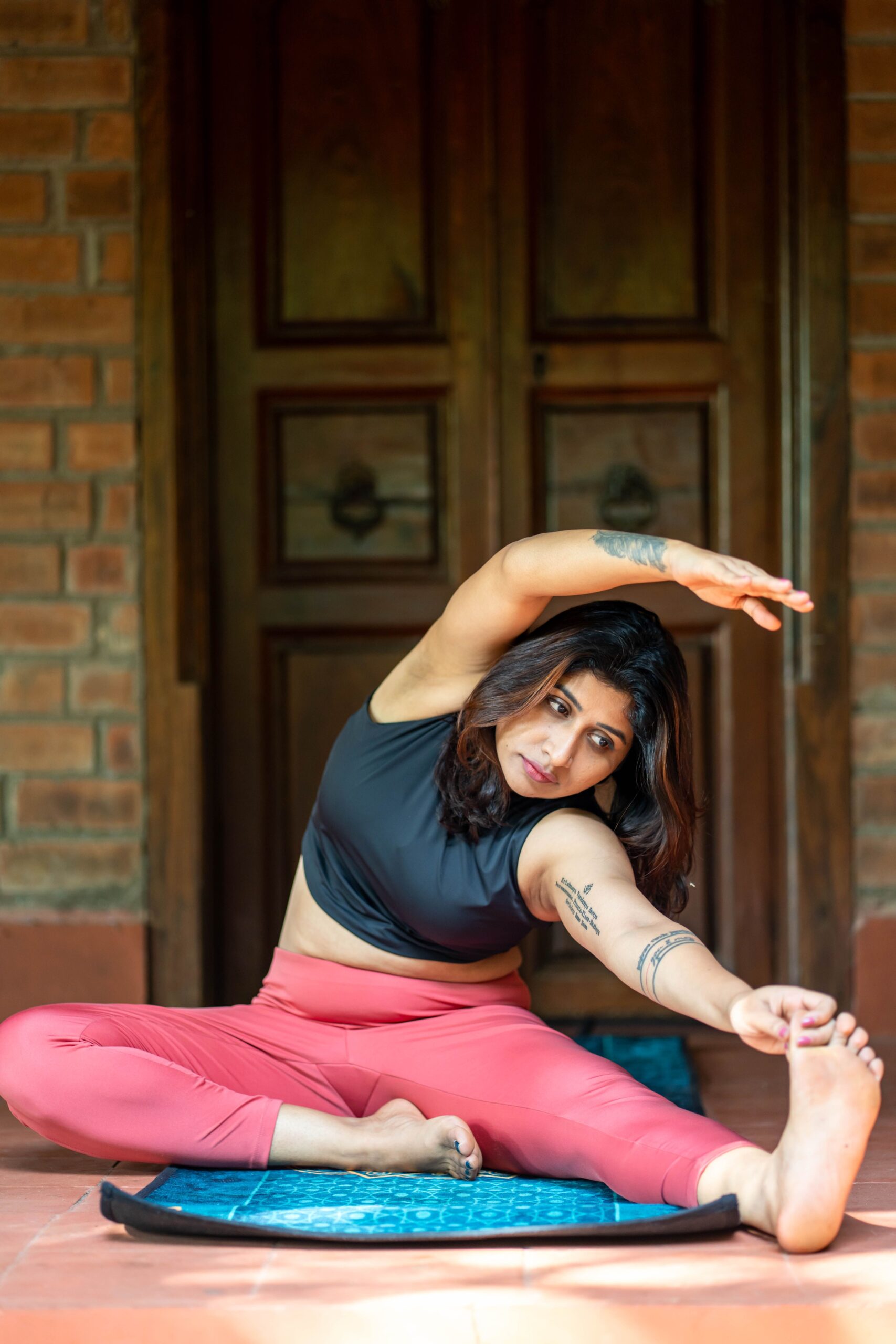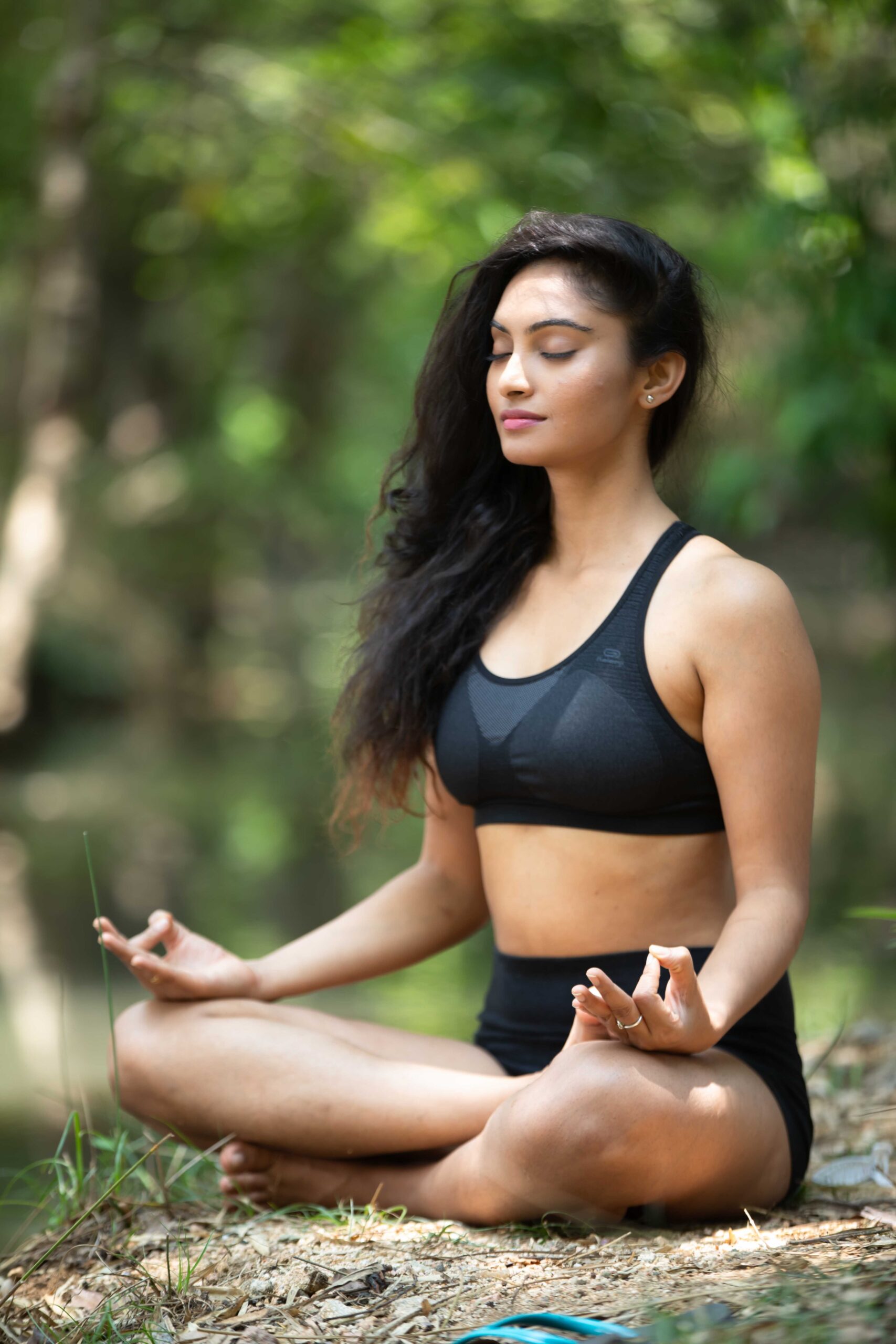
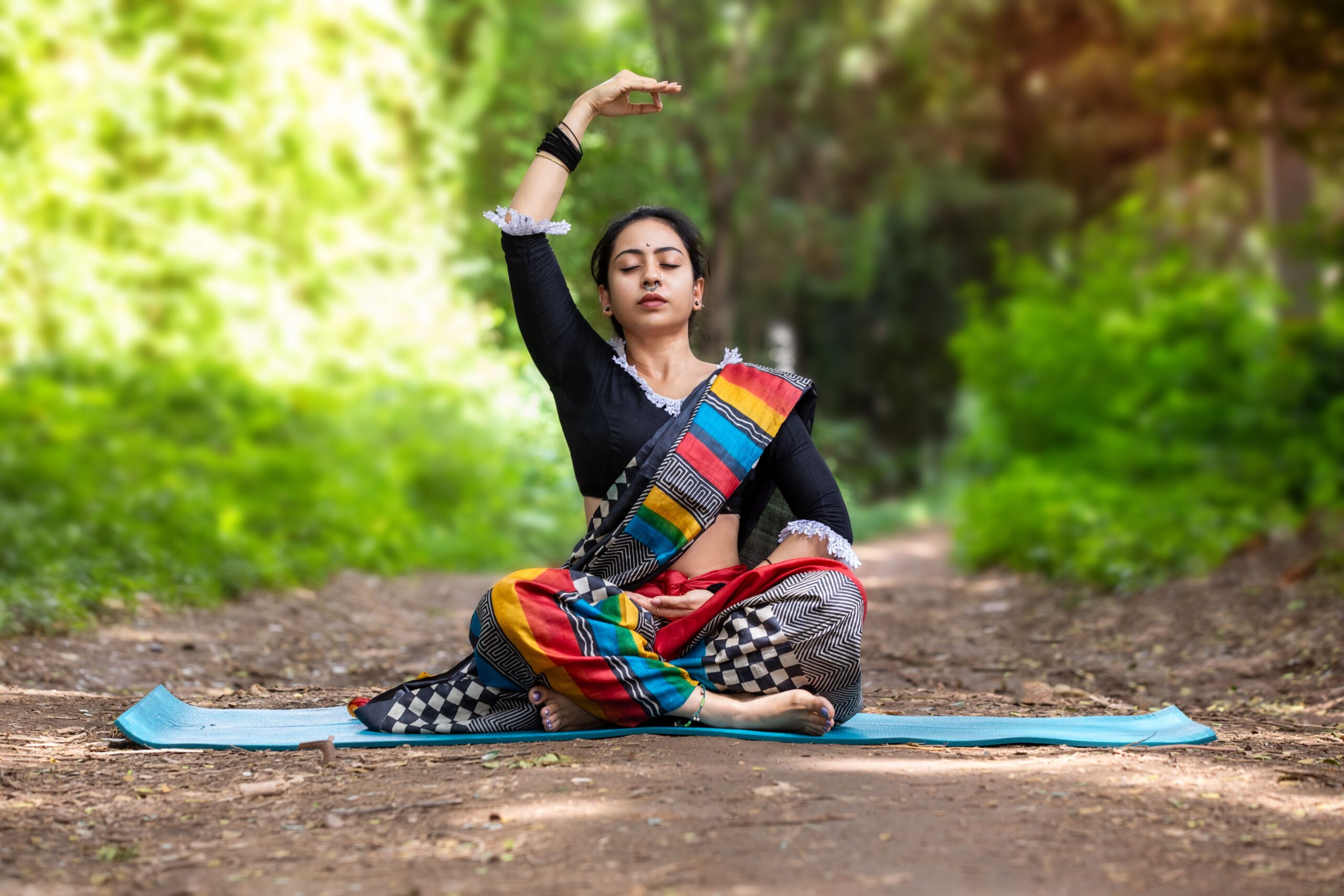
Pranayama is simple breathing practice that can calm your mind. These three are good for beginners.
Why it matters
Pranayama, the yogic practice of breath control, is part of daily life in many Indian homes. Slow, steady breathing with a longer out-breath activates the body’s calming system, lowers heart rate and can ease stress and anxiety. Many people also find it helps them fall asleep.
You do not need special equipment or flexibility. Sit comfortably on the floor or a chair, keep your back straight and your shoulders relaxed.
Three breaths to start
- 1. Deep belly breathing: place a hand on your belly. Breathe in through the nose so the belly rises, then breathe out slowly so it falls. 2 to 3 minutes.
- 2. Anulom-Vilom (alternate nostril): close the right nostril with your thumb and breathe in through the left. Close the left with your ring finger and breathe out through the right. Breathe in through the right, switch, and breathe out through the left. That is one round. Do 5 to 10 rounds slowly.
- 3. Bhramari (humming bee): close your eyes, breathe in, and breathe out with a gentle humming sound. Feel the vibration. 5 to 7 rounds.
Tips for beginners
Practise on an empty stomach or two hours after a meal. Never force or hold the breath if it feels uncomfortable. If you feel dizzy, return to normal breathing. Morning or evening both work; consistency matters more than timing.
Try this
- Pick a quiet spot and the same time each day.
- Start with 2 minutes of belly breathing.
- Add 5 rounds of Anulom-Vilom.
- Finish with 5 rounds of Bhramari.
- Sit quietly for one minute and notice how you feel.
Quick answers
When is the best time to do pranayama?
Early morning on an empty stomach is traditional, but evening practice before dinner also works and may help you sleep.
Can pranayama replace my BP or anxiety medicine?
No. Breathing practice can support treatment but should not replace it. Never stop medicines without your doctor’s advice.
General information, not medical advice.