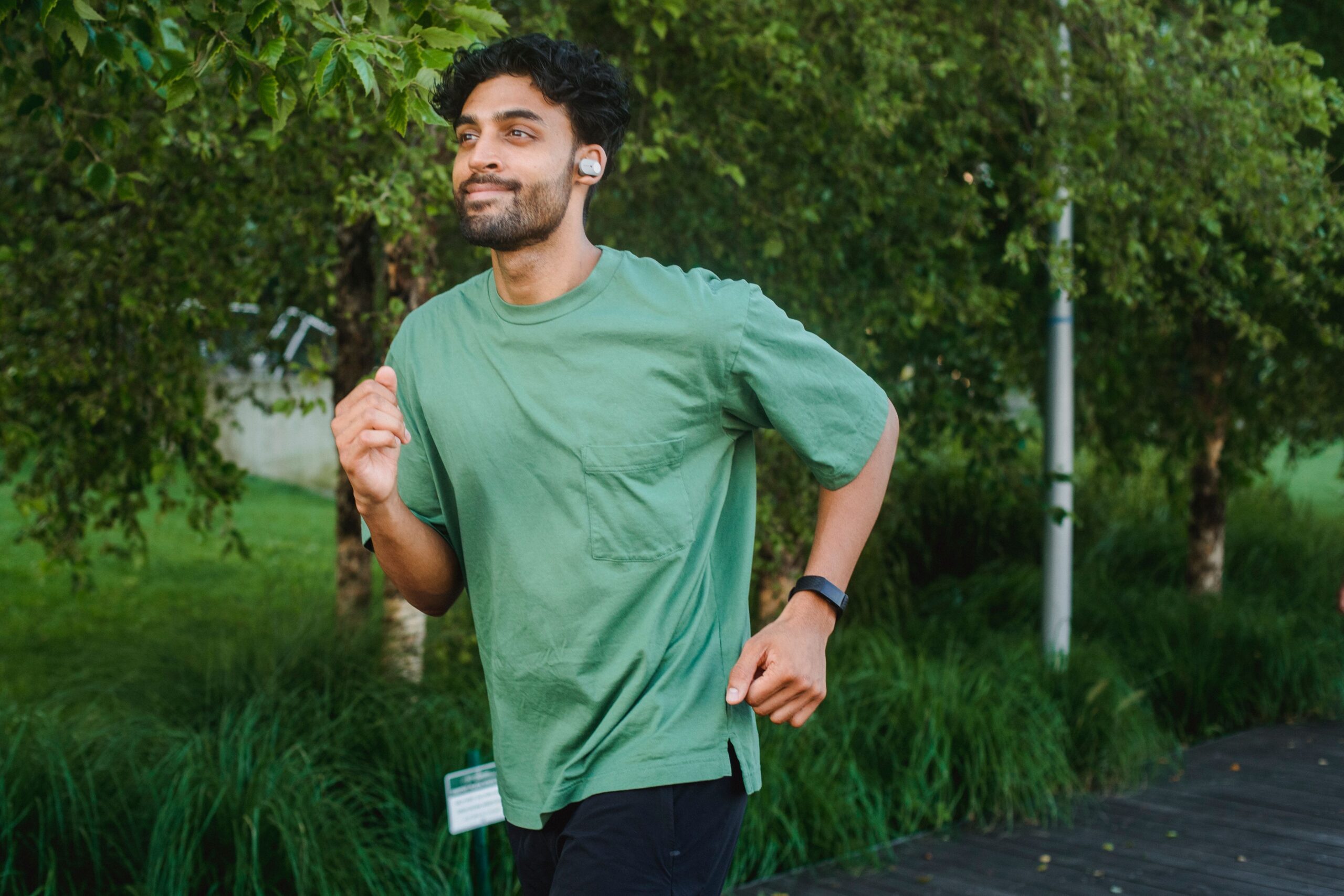
No time for the gym? A 10-minute morning workout is enough to wake up your body and lift your mood.
Why it matters
The World Health Organization recommends 150 to 300 minutes of moderate activity a week for adults, plus muscle-strengthening on at least two days. That sounds like a lot, but WHO’s 2020 guidelines also make an important point: every move counts. Short bouts add up, and something is always better than nothing.
Ten minutes in the morning raises your heart rate, loosens stiff joints after sleep and can improve your mood and focus for the day. It also builds the habit, which matters more than any single workout.
Your 10-minute routine
Do each move for 40 seconds, rest for 20 seconds, and go through the list twice. No equipment needed; a mat or a towel is enough.
- March or spot-jog to warm up.
- Squats, or sit-to-stand from a chair.
- Wall or knee push-ups.
- Glute bridges, lying on your back with knees bent.
- Plank, on knees if needed.
Make it stick
Keep your shoes or mat where you will see them. Tie the workout to something you already do, such as straight after brushing your teeth. On busy days, do just one round. Missing a day is fine; missing two in a row is how habits fade.
Try this
- Set out your mat or shoes the night before.
- Warm up for one minute: march, arm circles and gentle neck rolls.
- Do the five moves: 40 seconds on, 20 seconds rest, two rounds.
- Cool down with a forward bend and slow, deep breaths.
- Add a brisk walk later in the day when you can.
Quick answers
Is 10 minutes of exercise really worth it?
Yes. WHO’s 2020 guidelines dropped the old idea that only bouts of 10 minutes or more count. Short sessions improve fitness and mood, and they build the habit that leads to longer workouts.
Should I exercise before or after breakfast?
Either works. If you feel weak exercising on an empty stomach, have a banana or a few soaked almonds first.
Sources
- WHO: Physical activity fact sheetAdults: 150–300 minutes of moderate activity a week, plus muscle-strengthening on 2 or more days.
General information, not medical advice.