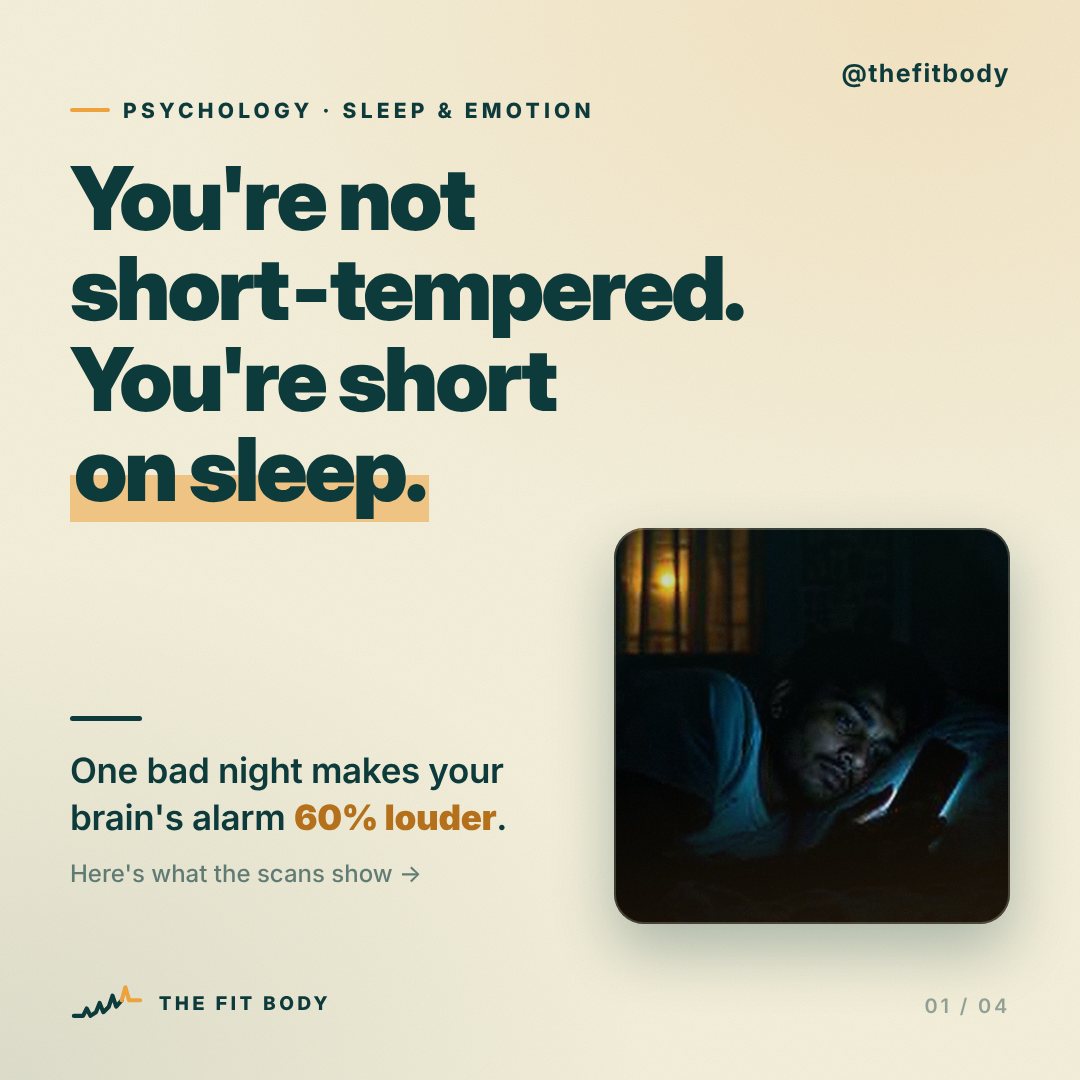

Work stress is common, but burning out is not something you have to accept.
Why it matters
Some pressure at work is normal. Burnout is different. In 2019 the WHO recognised burnout as an occupational phenomenon caused by chronic workplace stress that has not been managed. It has three signs: exhaustion, feeling cynical or distant from your job, and feeling less effective.
Long hours, unclear expectations, little control and no time to recover all push people towards it. Left alone, it can affect sleep, health, relationships and performance.
Spot it early
- You wake up already tired and dread Mondays.
- You feel irritable with colleagues or family.
- Small tasks feel heavy and you keep putting them off.
- You cannot switch off, even on weekends.
What helps
Protect recovery: sleep, meals and some movement are not luxuries. Clarify priorities: ask your manager what matters most this week. Batch messages: check email and WhatsApp at set times instead of all day. Use your leave, even a long weekend. And talk to someone; stress shrinks when it is shared.
Try this
- List your top three priorities each morning and do the hardest one first.
- Work in focused blocks of 60 to 90 minutes, then take a 5-minute break.
- Set an end-of-work ritual: close the laptop, write tomorrow’s first task, change clothes.
- Say no, or “not this week”, to one low-priority request.
- Take a short walk at lunch instead of eating at your desk.
Quick answers
What is the difference between stress and burnout?
Stress usually feels like too much: too much work, too much pressure. Burnout feels like too little: too little energy, motivation and hope. Stress can improve with a break; burnout often needs bigger changes.
Should I quit my job if I am burnt out?
Not necessarily. Talk to your manager about workload, take leave and get support first. If the job remains unhealthy despite changes, it may be time to consider other options.
Sources
- WHO: Burn-out an occupational phenomenon (2019)WHO’s definition of burnout in ICD-11.
General information, not medical advice.