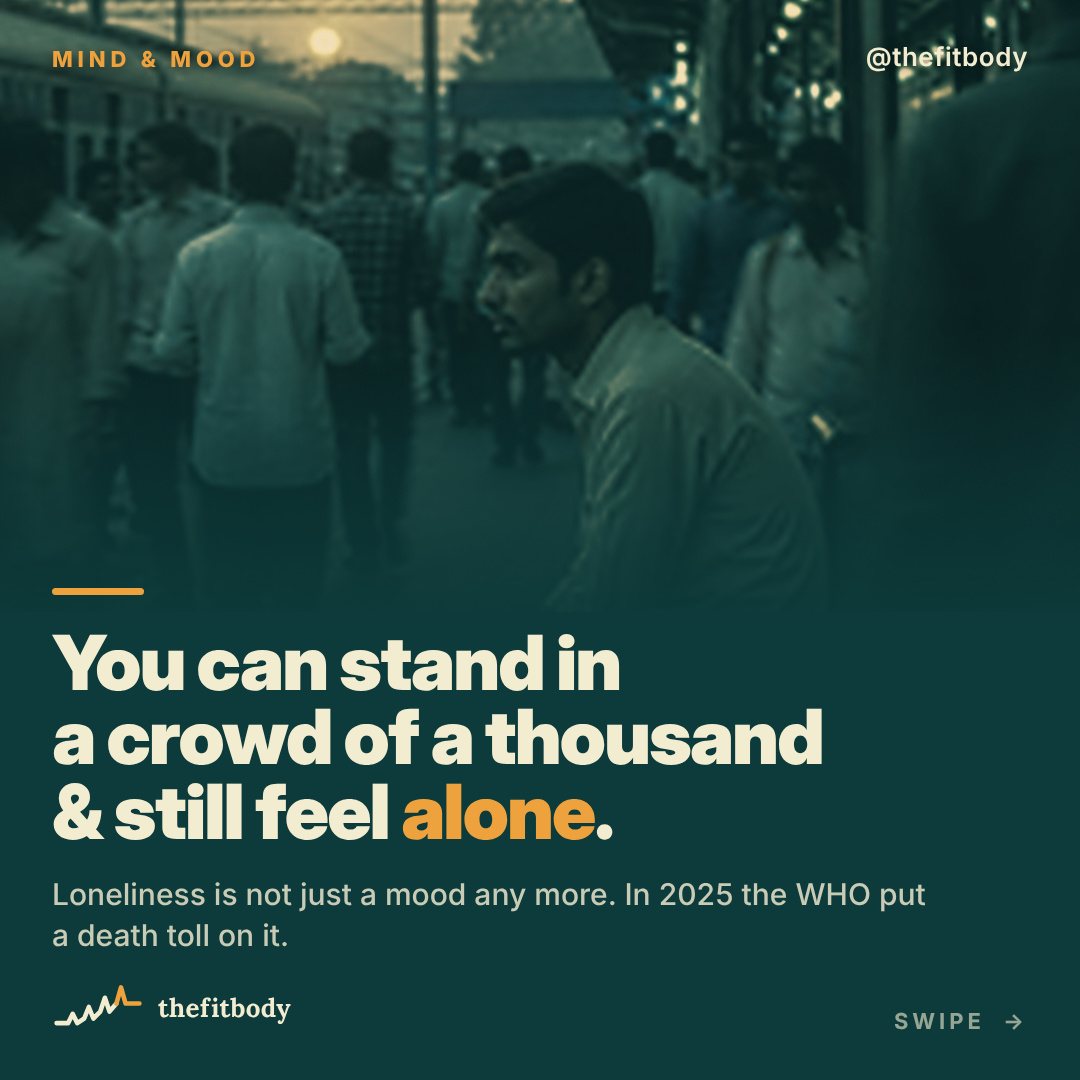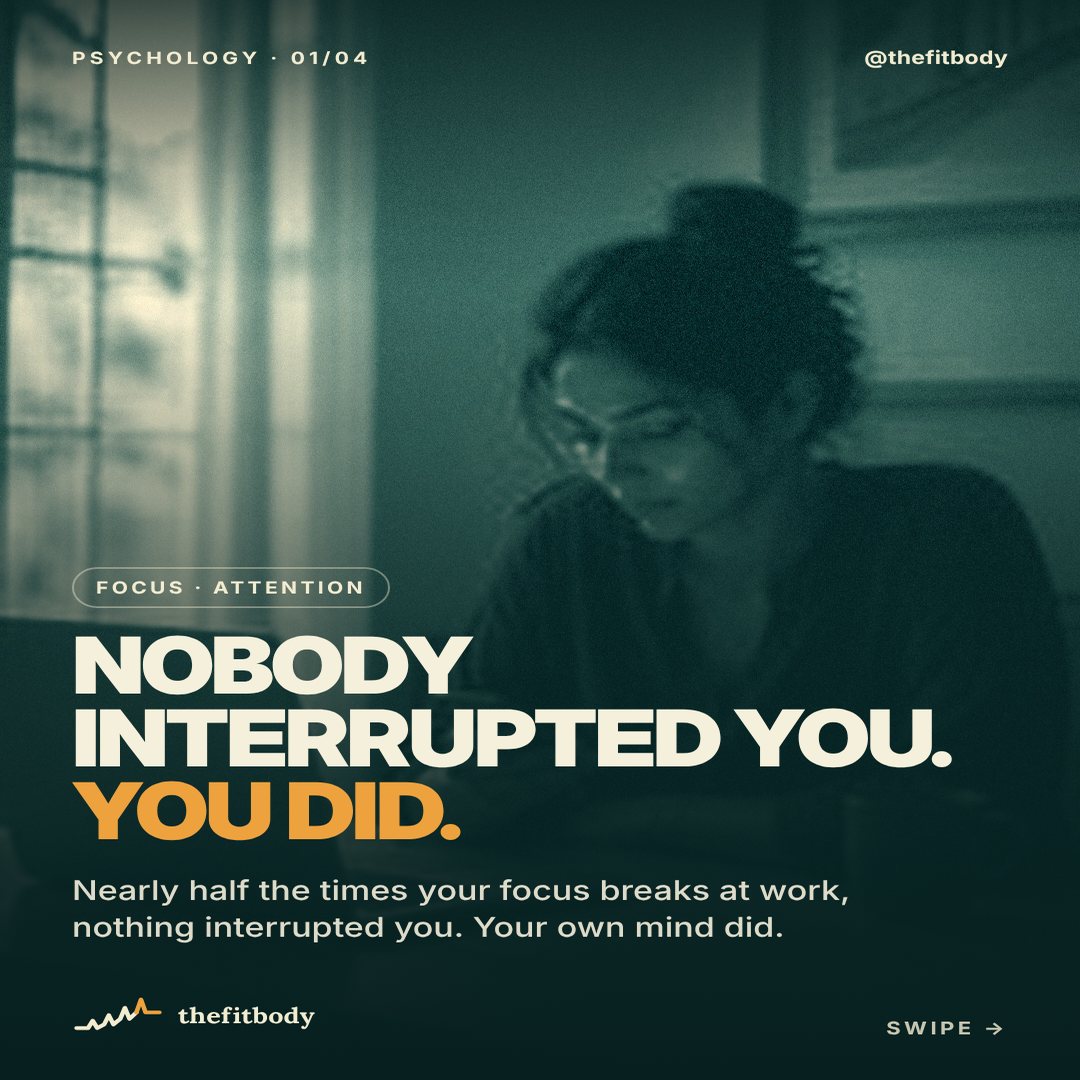

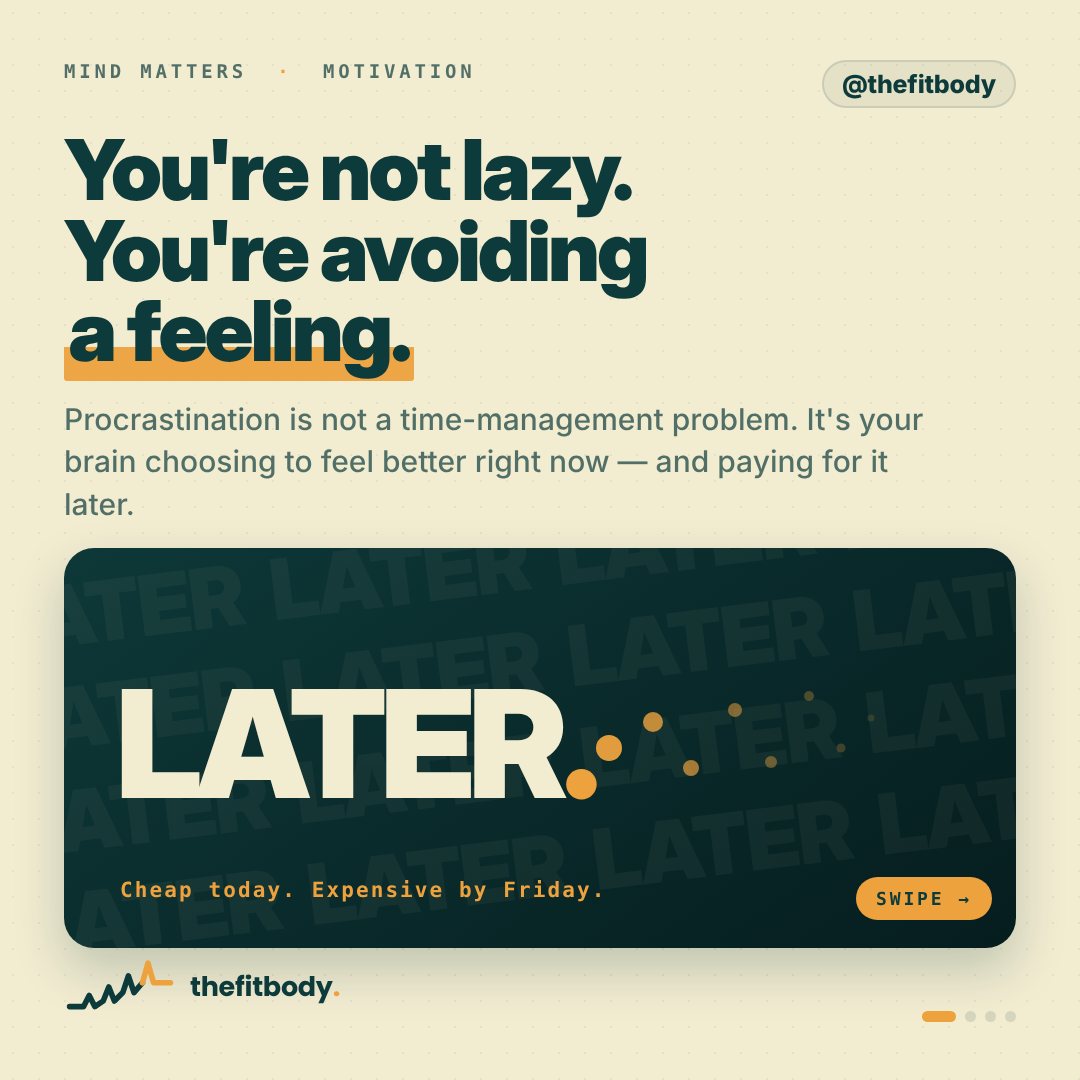
“I will do it later” feels good for a reason. Research shows procrastination is less about managing time and more about managing mood: your brain chooses to feel better right now and sends the bill later.
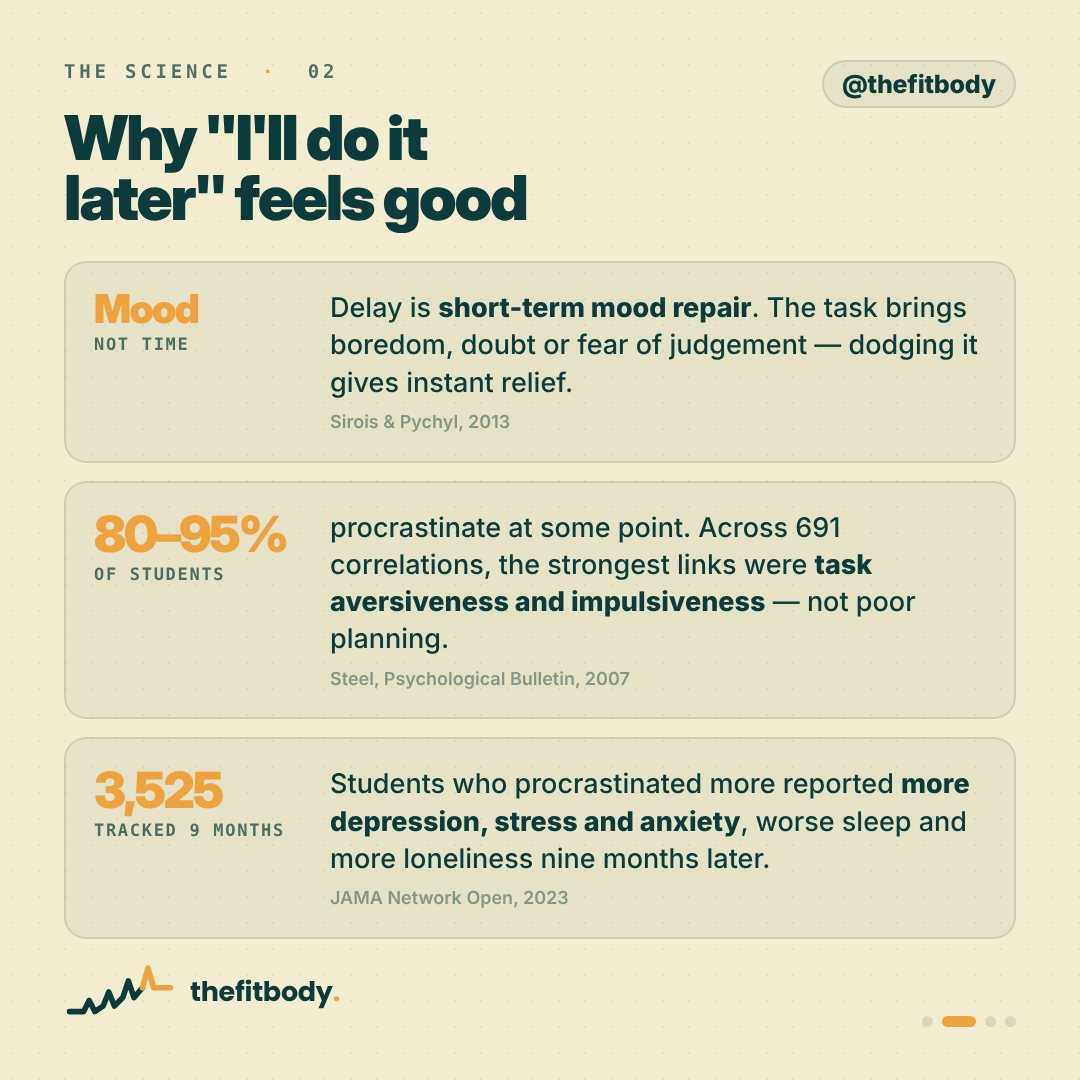
Delay is short-term mood repair
A task brings boredom, doubt or fear of judgement. Dodging it gives instant relief. Researchers Fuschia Sirois and Timothy Pychyl describe this as giving priority to short-term mood repair over long-term goals. A meta-analysis of 691 correlations by Piers Steel found the strongest links were with task aversiveness and impulsiveness.
The cost is paid later
In a study that tracked 3,525 students over nine months, those who procrastinated more reported more depression, stress and anxiety, worse sleep and more loneliness later on. Cheap today, expensive by Friday.
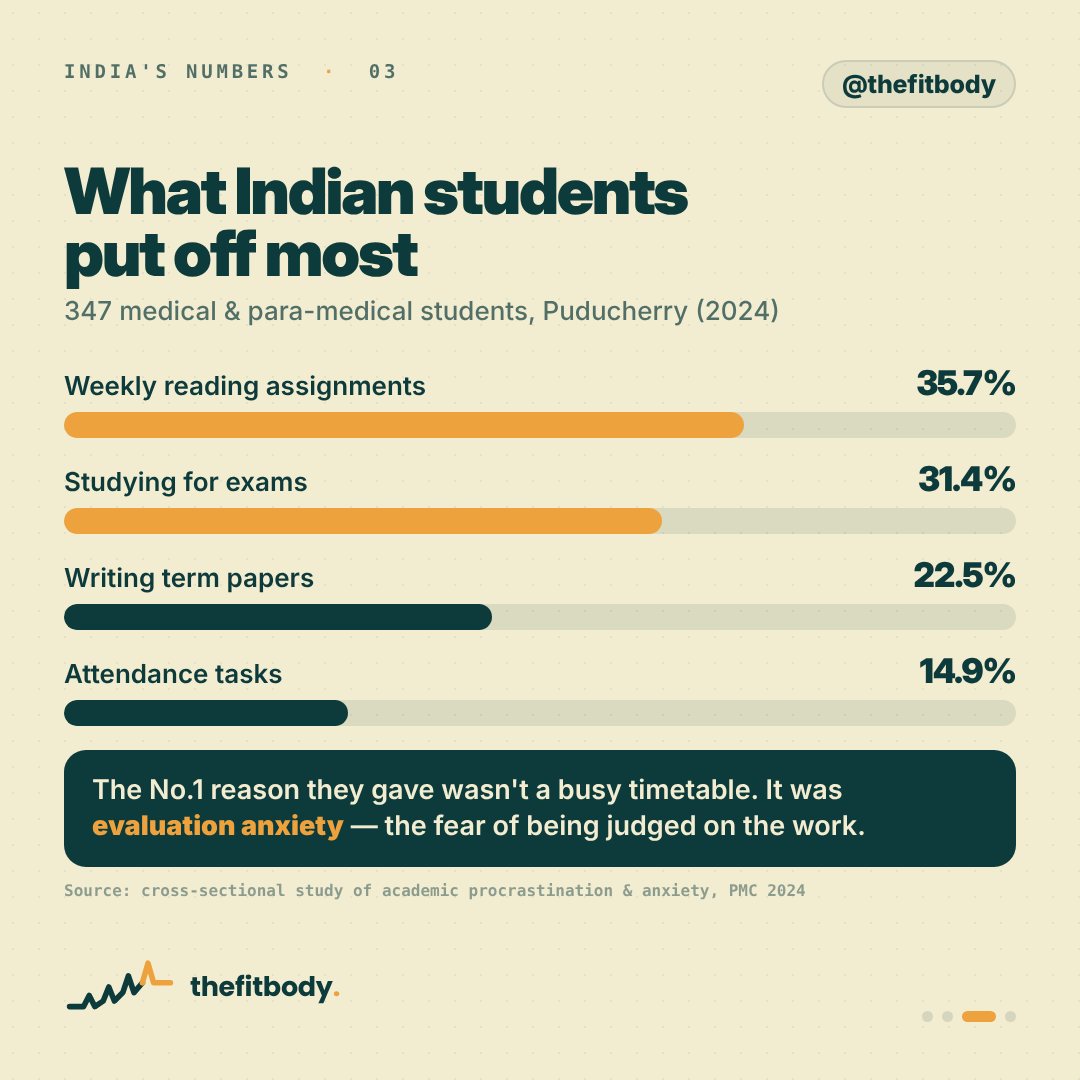
What Indian students put off
A 2024 survey of 347 medical and para-medical students in Puducherry found they delayed weekly reading assignments (35.7%), studying for exams (31.4%), writing term papers (22.5%) and attendance tasks (14.9%). The number one reason was not a busy timetable but evaluation anxiety, the fear of being judged on the work.
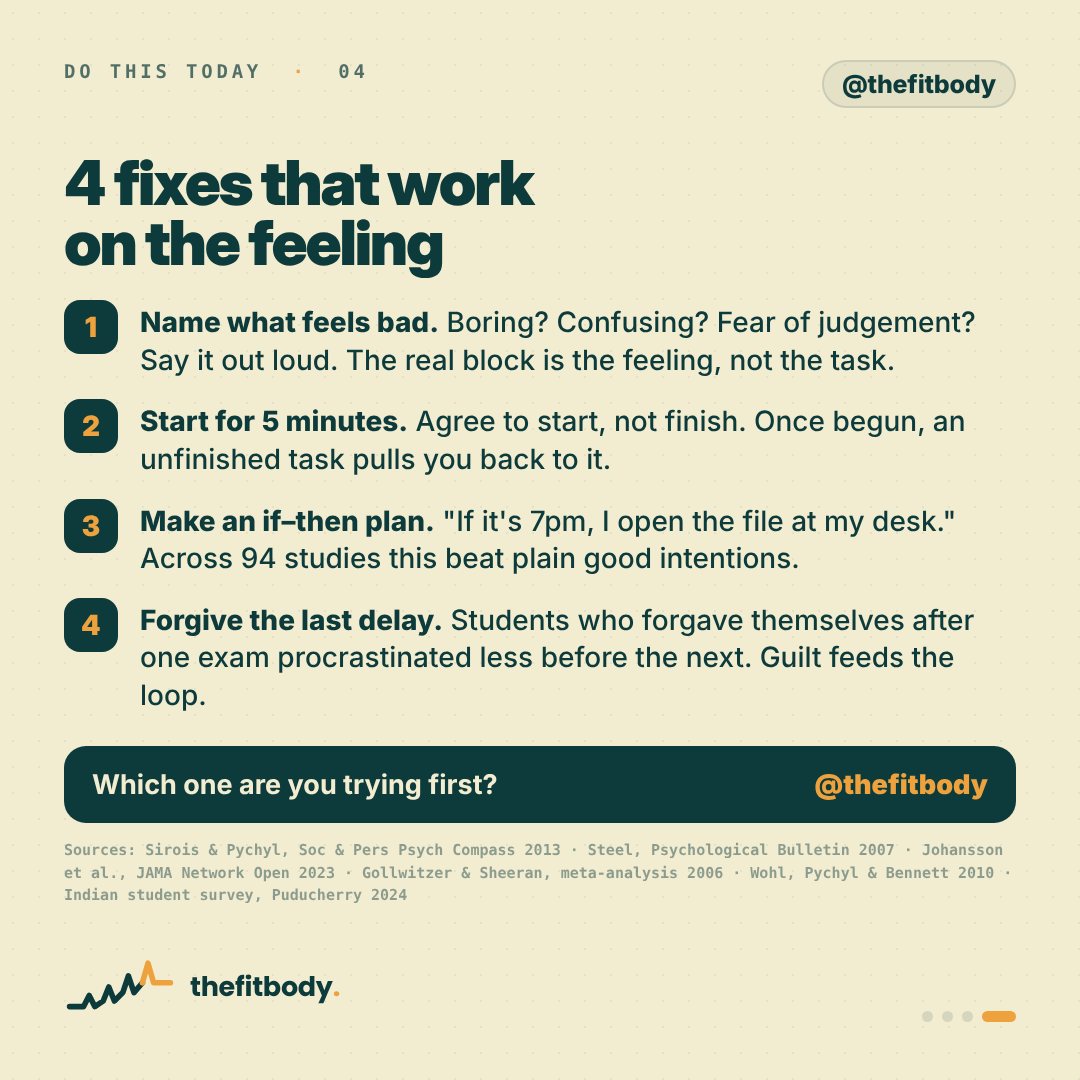
Four fixes that work on the feeling
- Name what feels bad. Boring? Confusing? Fear of judgement? Say it out loud. The real block is the feeling, not the task.
- Start for 5 minutes. Agree to start, not to finish. Once begun, an unfinished task pulls you back to it.
- Make an if-then plan. “If it is 7 pm, I open the file at my desk.” Across 94 studies, such plans beat plain good intentions.
- Forgive the last delay. Students who forgave themselves after one exam procrastinated less before the next. Guilt feeds the loop.
The carousel
The four slides from our Instagram and X post. Swipe through them, save them, share them.
Watch the video
Sources
- Sirois and Pychyl, Social and Personality Psychology Compass (2013): Procrastination and the priority of short-term mood regulationProcrastination as short-term mood repair.
- Steel, Psychological Bulletin (2007): The nature of procrastinationMeta-analysis of 691 correlations.
- Johansson et al., JAMA Network Open (2023)3,525 students followed for nine months.
- Gollwitzer and Sheeran (2006): implementation intentions meta-analysis94 studies on if-then planning.
- Cross-sectional study of academic procrastination and anxiety in Puducherry (PMC, 2024)347 medical and para-medical students.
General information for education, not medical or psychological advice. Figures are taken from the sources above; if you are struggling, please speak to a qualified professional.